Project Type
Senior Capstone
Mechanical Engineering Senior Capstone
A compact automotive system that recognizes emergency sirens and vehicle horns and communicates them through visual alerts for deaf and hard-of-hearing drivers.
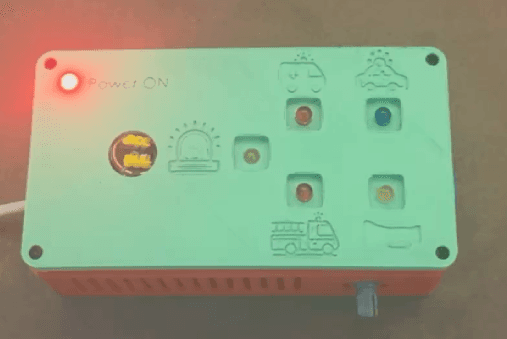
Final EARS prototype and visual-alert interface
Project Type
Senior Capstone
Final Controller
ESP32
My Focus
Mechanical Design & Validation
Outcome
Functional Prototype
The Problem
Emergency sirens and vehicle horns provide critical information to drivers, but those warnings may not be accessible to someone who cannot reliably hear them.
The project required a compact system capable of detecting target sounds, processing them quickly, and presenting a clear visual alert without distracting or obstructing the driver.
My Contribution
Product-Development Process
The project followed a complete engineering process rather than beginning directly with a final enclosure or circuit layout.
STAGE 01
Identify the difficulties deaf and hard-of-hearing drivers may experience when emergency sirens or vehicle horns are not visually apparent.
STAGE 02
Develop measurable requirements covering detection behavior, response time, visibility, size, cost, thermal conditions, installation, and durability.
STAGE 03
Compare microphone, processing, alert, power, enclosure, and mounting concepts before selecting the most practical complete system.
STAGE 04
Integrate the microphone, controller, visual indicators, enclosure, and software before conducting thermal, drop, mounting, and demonstration tests.
Embedded-System Architecture
The final architecture connects audio sensing, embedded processing, visual communication, and protective mechanical packaging.
Captures environmental audio and provides a digital signal for emergency-sound classification.
Processes the incoming audio signal and activates the appropriate visual alert when a target sound is detected.
Communicate detected sirens or horns through recognizable visual symbols positioned within the driver’s field of view.
Protects the electronics while supporting automotive temperature resistance, ventilation, mounting, and manufacturability.
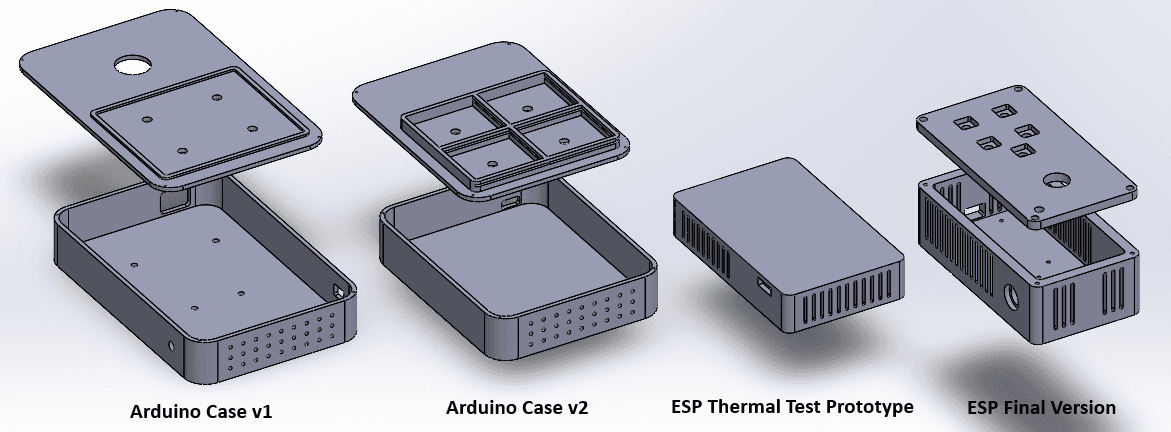
Concept Evolution
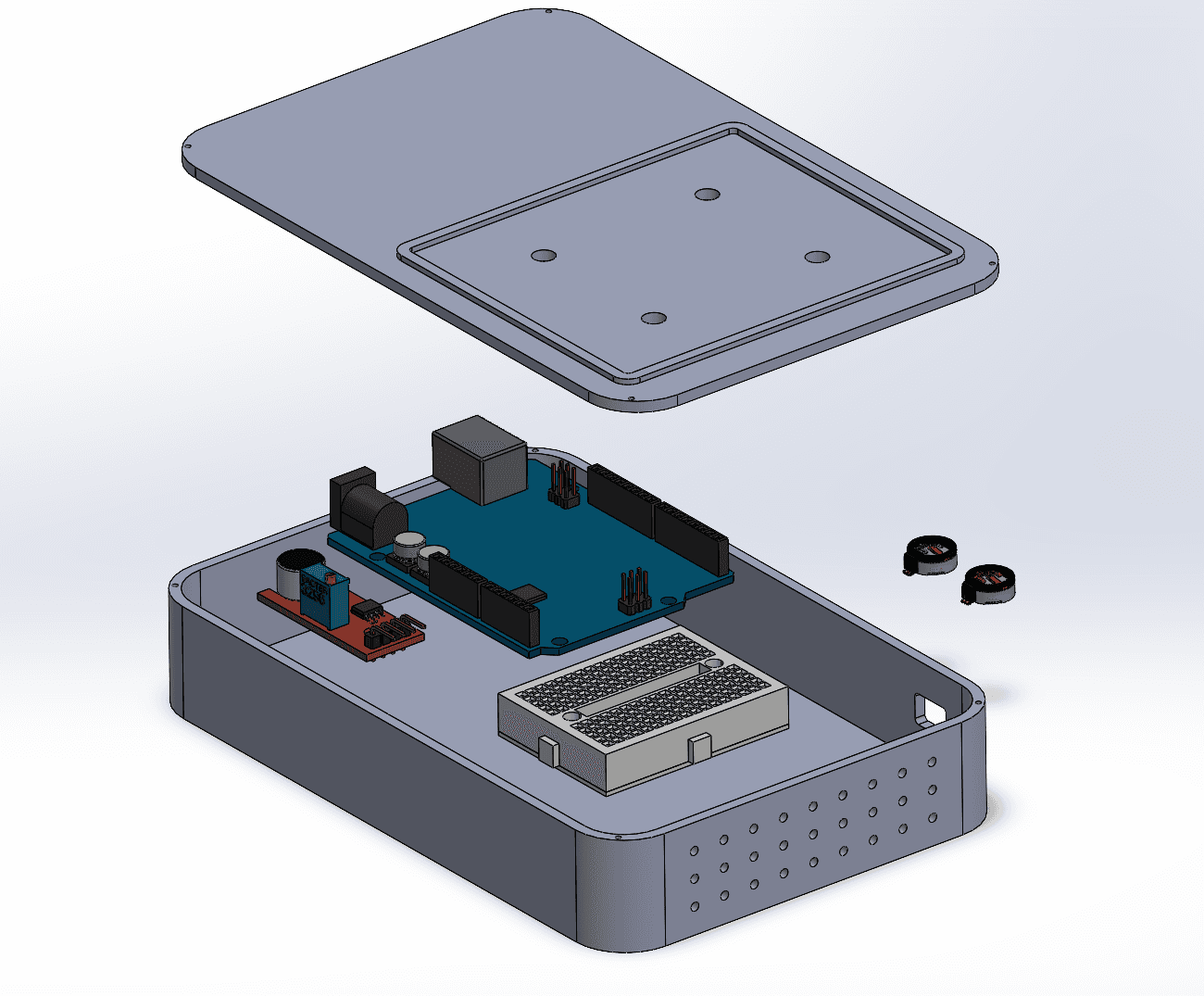
Early architecture used to evaluate basic electronics packaging and visual-alert placement.
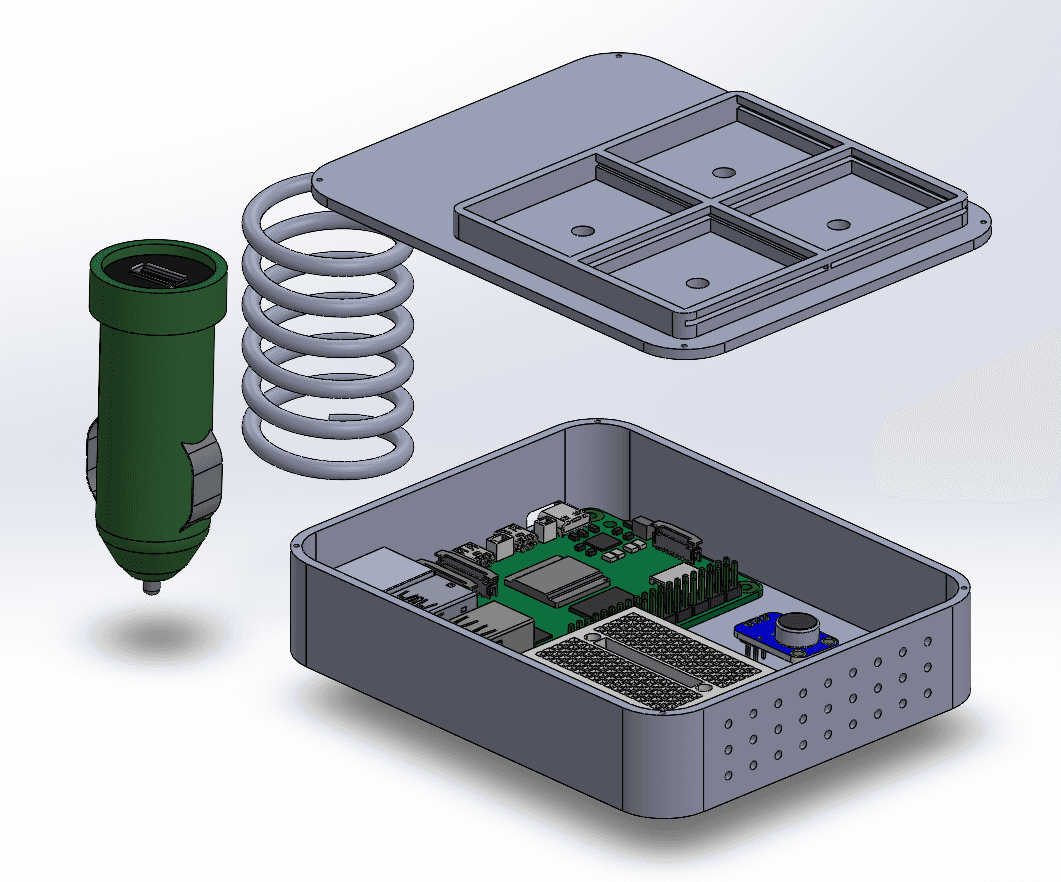
A higher-processing-power alternative evaluated during system architecture development.
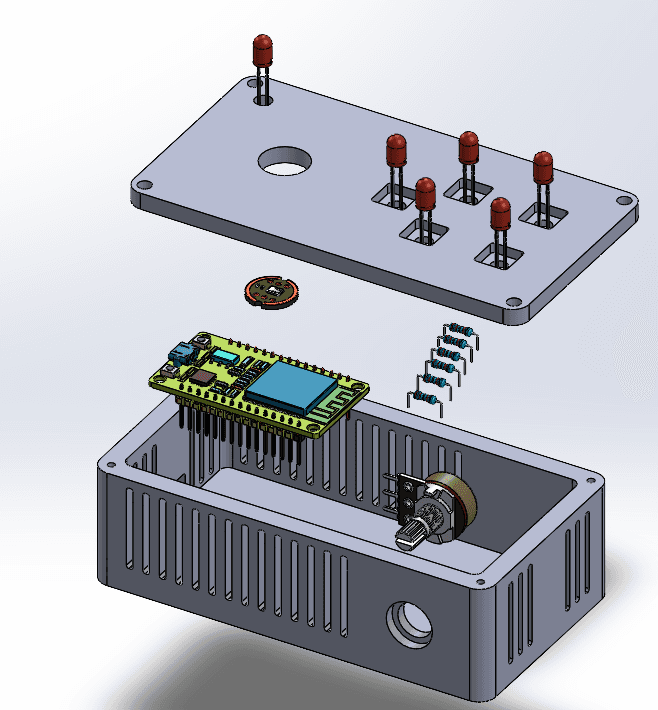
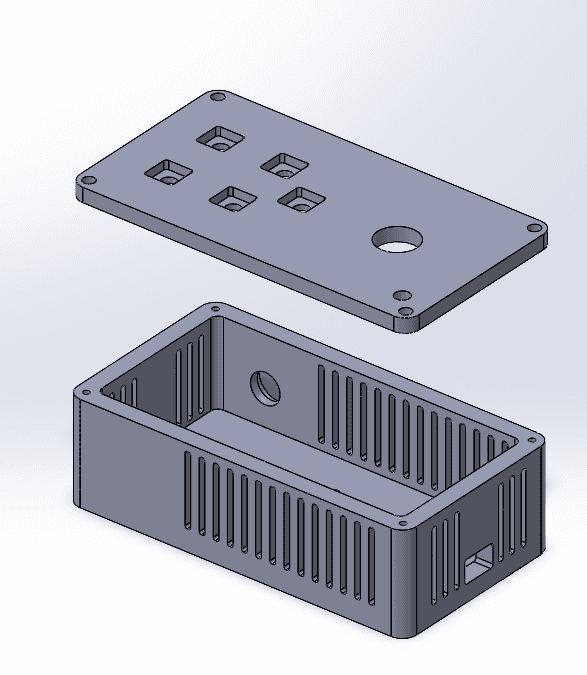
Compact final direction selected for embedded processing, packaging, and prototype integration.
Mechanical Design
The enclosure evolved as the internal electronics changed and requirements related to assembly, airflow, size, visibility, and manufacturability became clearer.
Primary Mechanical Challenge
Electronics inside a parked vehicle may experience temperatures far above normal room conditions. The enclosure therefore needed to be evaluated as part of the thermal system rather than merely treated as protective packaging.
Worst-Case Condition
Parked Vehicle
High-temperature cabin exposure
Predicted ESP32 Surface
≈ 88°C
Initial worst-case thermal result
Design Response
Ventilation
Airflow openings added to enclosure
Storage Guidance
Glove Compartment
Recommended when the vehicle is parked
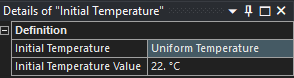
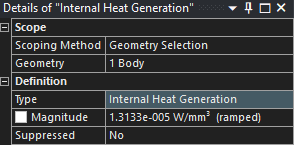
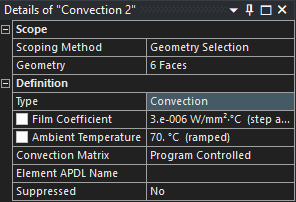
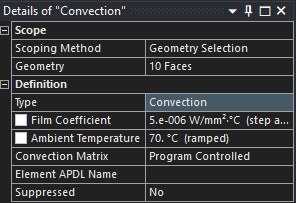
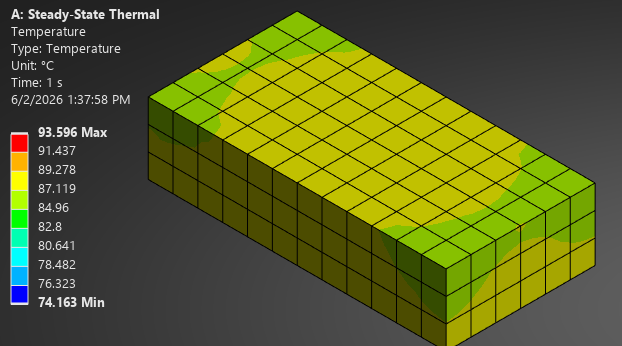
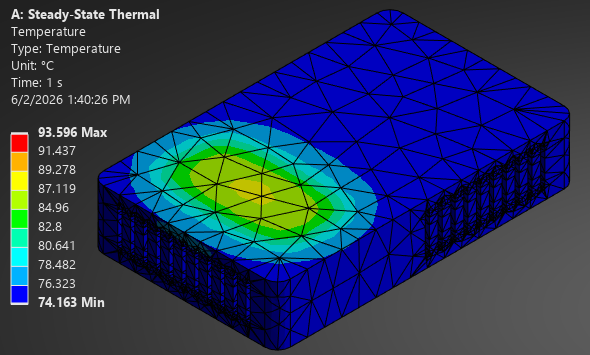
Ventilation openings were incorporated into the enclosure, and storage guidance was added to reduce prolonged thermal exposure when the vehicle is parked.
Prototype Validation
The enclosure was evaluated through a three-foot drop scenario without permanent deformation affecting the intended function.
Thermal analysis identified elevated internal temperatures, leading to ventilation features and safer placement recommendations.
Several mounting locations were compared, with placement above the steering wheel providing strong visibility and response potential.
The prototype demonstrated visual responses to ambulance, police, fire-truck, horn, and alternative sound inputs.
Functional Demonstration
The following demonstrations show the prototype responding to several emergency and roadway sound inputs.
Prototype response when presented with an ambulance siren input.
Visual-alert response to additional emergency-vehicle siren patterns.
Demonstration of the horn-detection alert behavior.
Additional prototype test used to evaluate system response under another audio condition.
Project Outcome
The project produced a functional physical prototype supported by product requirements, CAD development, embedded electronics, thermal analysis, testing, manufacturing documentation, and user instructions.
The result demonstrated the feasibility of converting emergency audio cues into visual information while identifying clear areas for future improvement in classification performance, environmental validation, and automotive integration.
Reflection
Establishing measurable requirements made it easier to compare concepts and justify decisions related to size, cost, temperature, mounting, and usability.
The final controller needed enough processing capability for the application without introducing unnecessary size, power consumption, or packaging complexity.
An enclosure that performs well indoors may experience significantly higher temperatures inside a parked vehicle and must be evaluated accordingly.
Ventilation, component spacing, mounting, material selection, and access for assembly all affected the performance of the embedded system.
A technically functional alert is not sufficient unless it is visible, understandable, and positioned where the driver can respond quickly.
The final report, manufacturing manual, and user manual provide the information required to reproduce, assemble, operate, and improve the design.
Technical Documentation
Complete engineering process, requirements, analysis, design, testing, and conclusions.
View Final ReportFabrication, assembly, component, and manufacturing information for the prototype.
View Manufacturing ManualInstallation, operation, handling, and user-facing guidance for the EARS prototype.
View User ManualEngineering Files