Competition
ASME HPVC
Human-Powered Vehicle Manufacturing
Converting a competition-vehicle design into a functional prototype through fabrication, mechanical integration, testing, and rapid problem-solving.
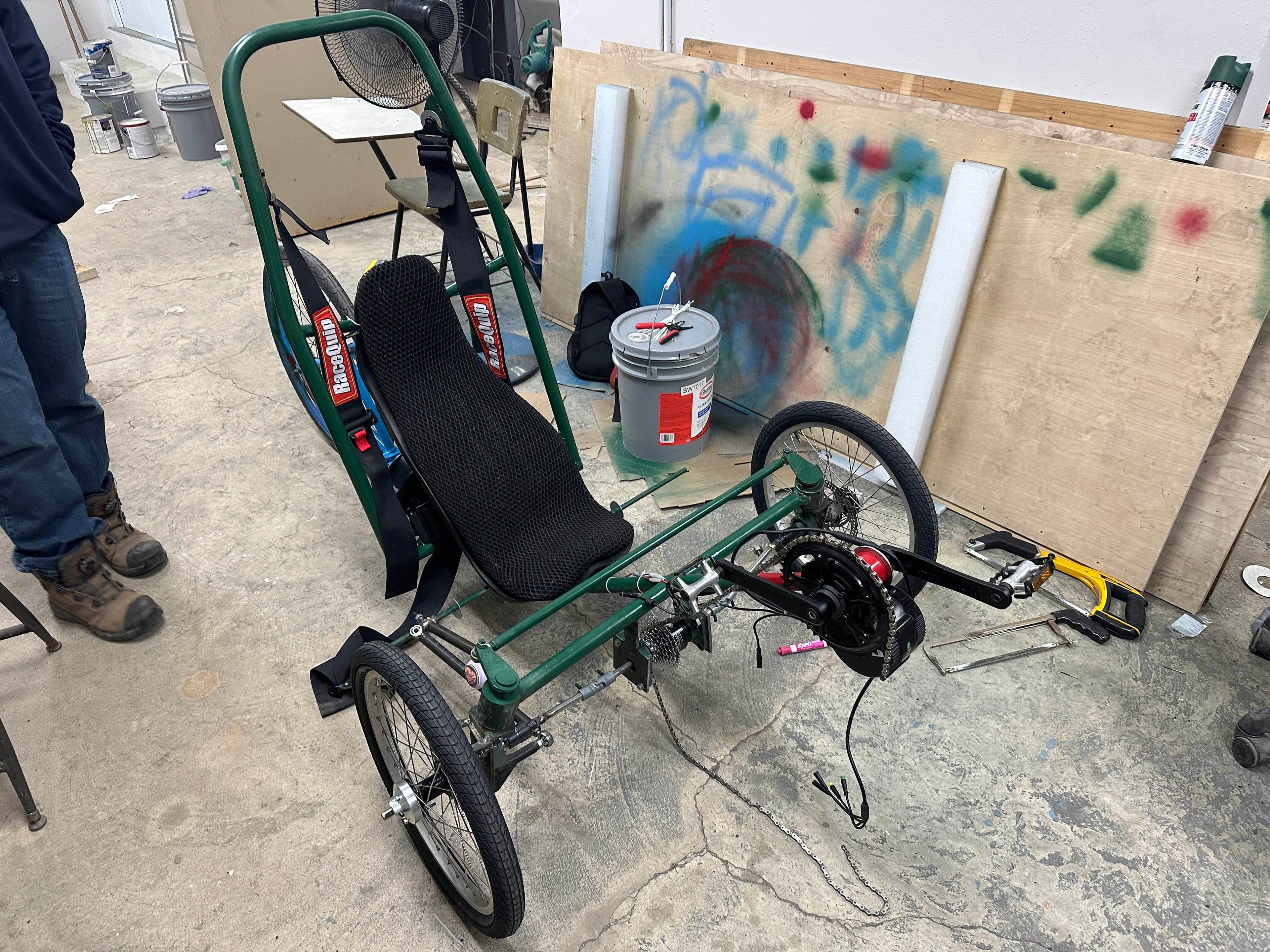
Guacamaya vehicle assembly and subsystem integration
Competition
ASME HPVC
Contribution
Fabrication & Assembly
Processes
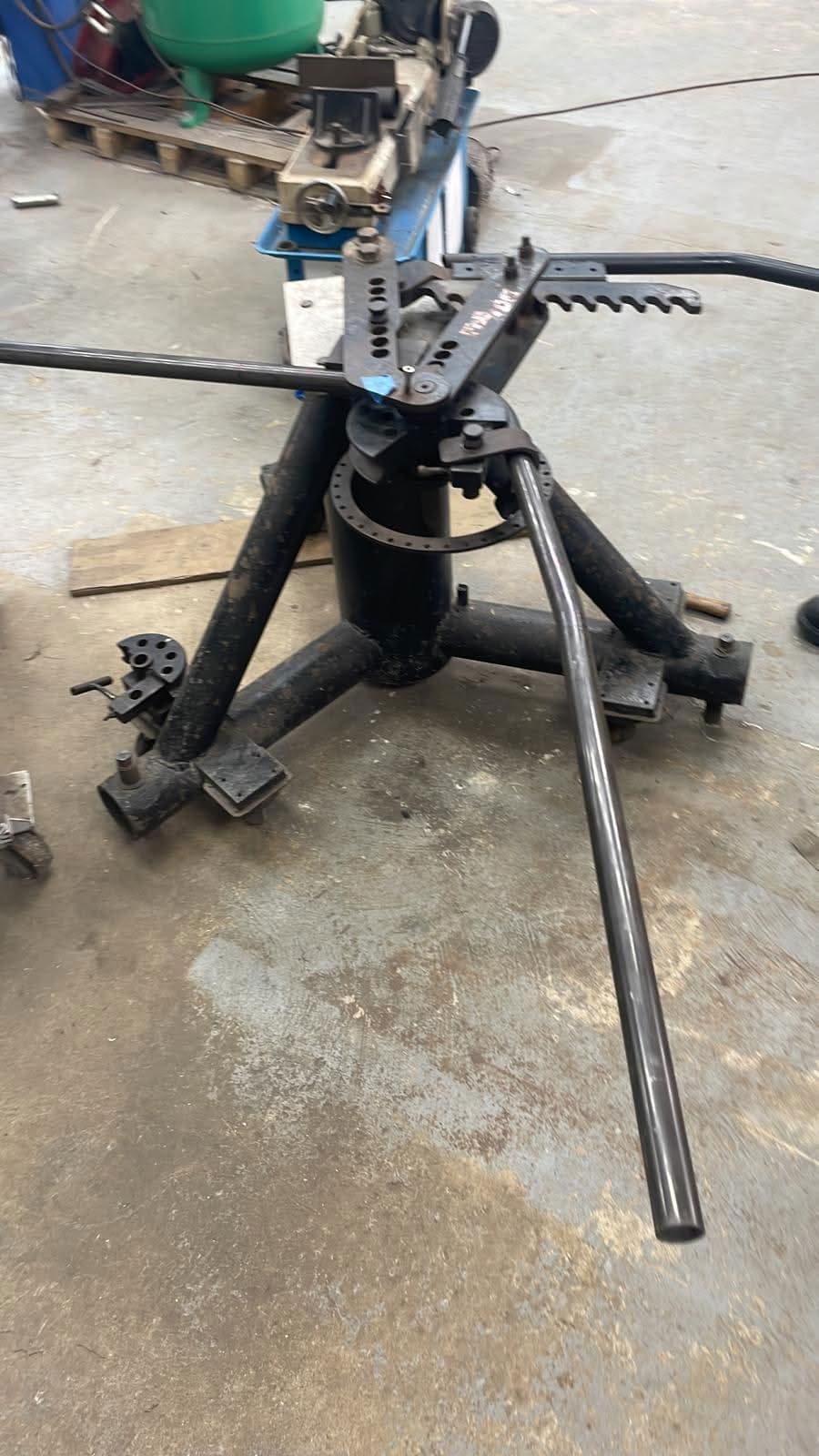
Welding & Tube Bending
Recognition
Sportsmanship Award
The Challenge
The manufacturing phase required converting the team’s CAD models and engineering analyses into a physical trike capable of steering, braking, transmitting power, and protecting its rider.
The work was completed under schedule pressure while managing limited fabrication experience, subsystem interference, procurement delays, and unexpected component shortages.
My Contribution
Manufacturing Process
Manufacturing progressed through frame preparation, component fabrication, subsystem assembly, and repeated physical testing.
STAGE 01
The initial steel frame required cleaning, preparation, inspection, and modification before final subsystem installation could begin.
STAGE 02
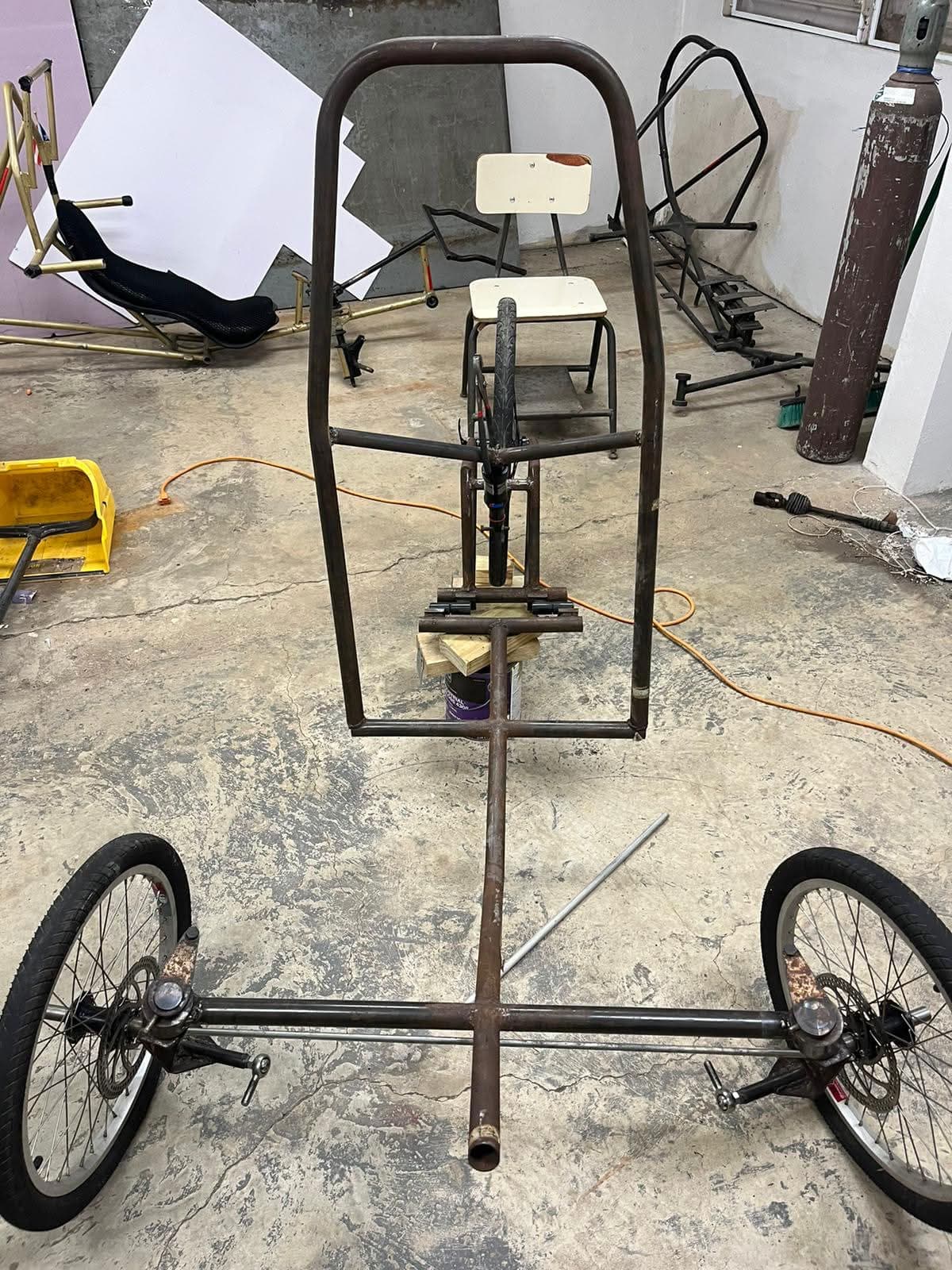
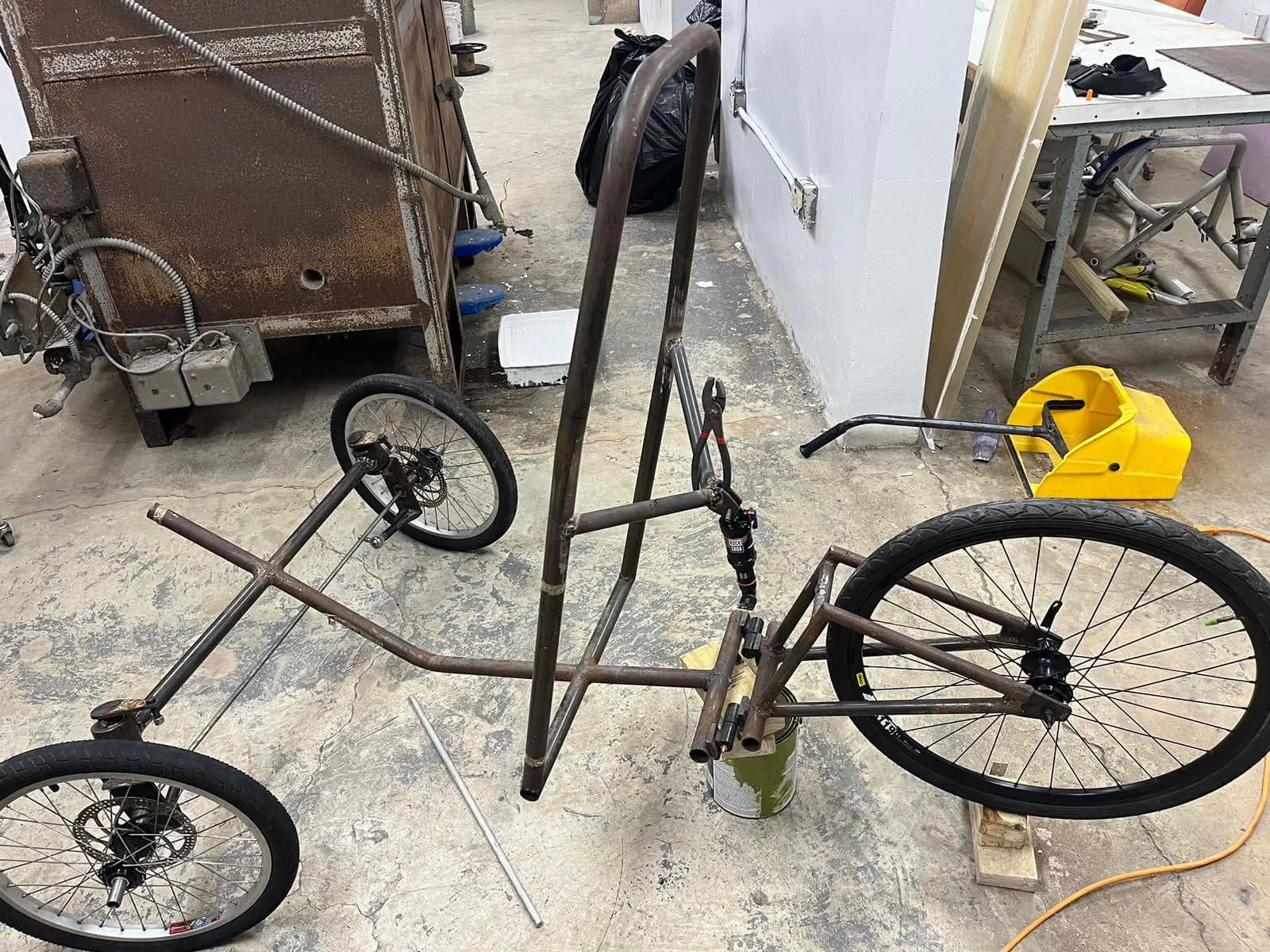
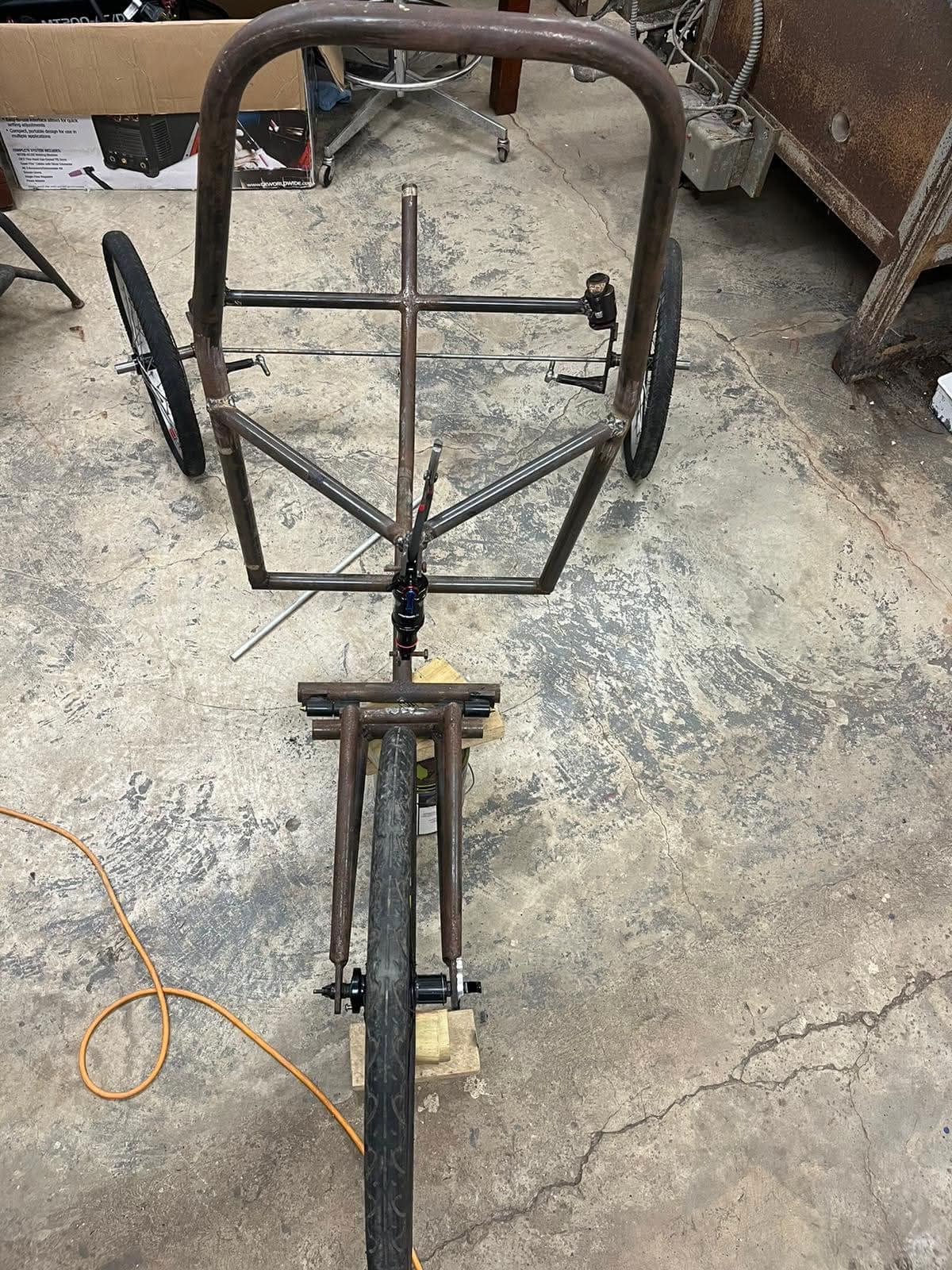
Tubes were measured, bent, cut, drilled, fitted, and welded to convert the CAD design into a functional competition frame.
STAGE 03
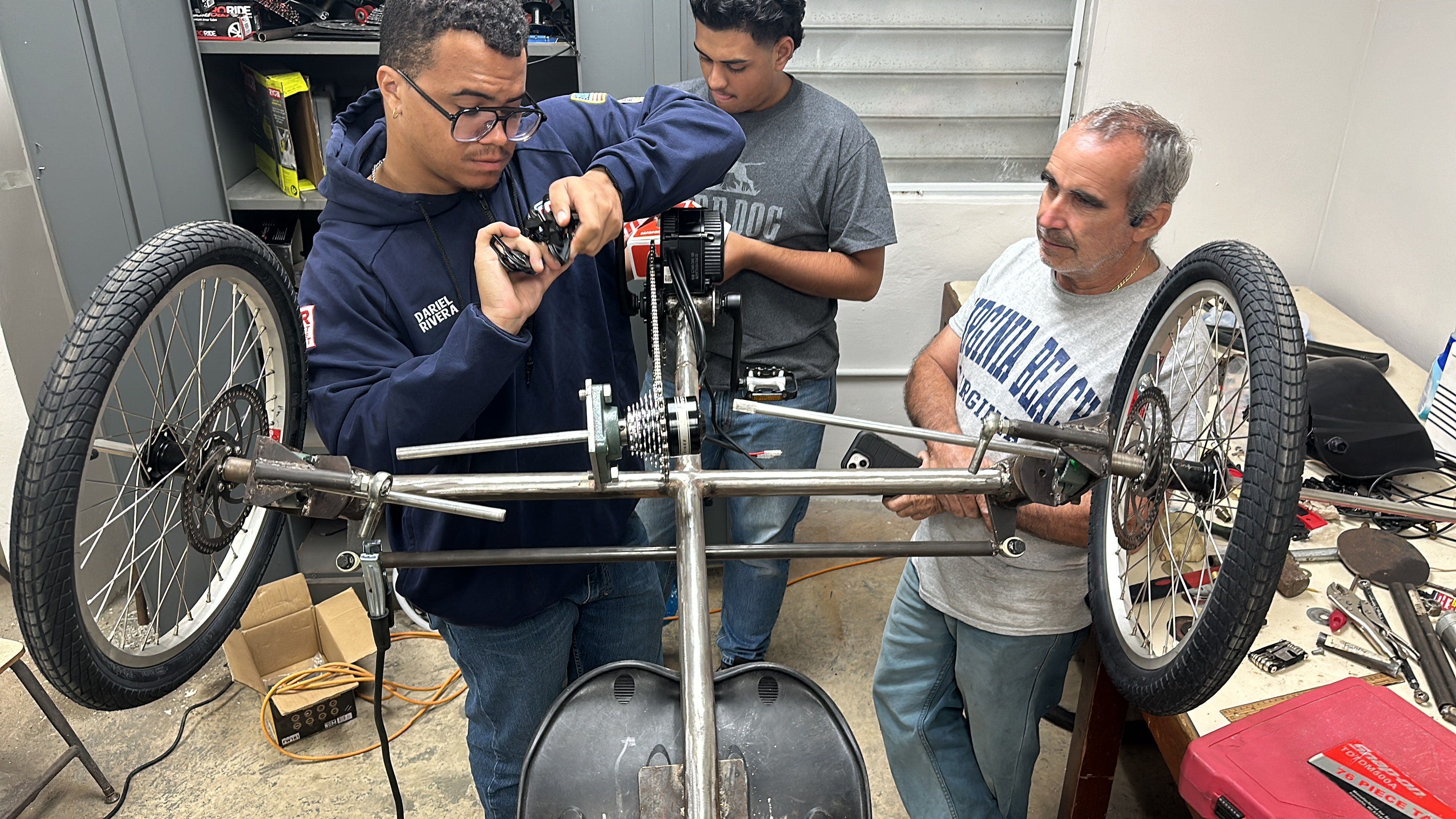
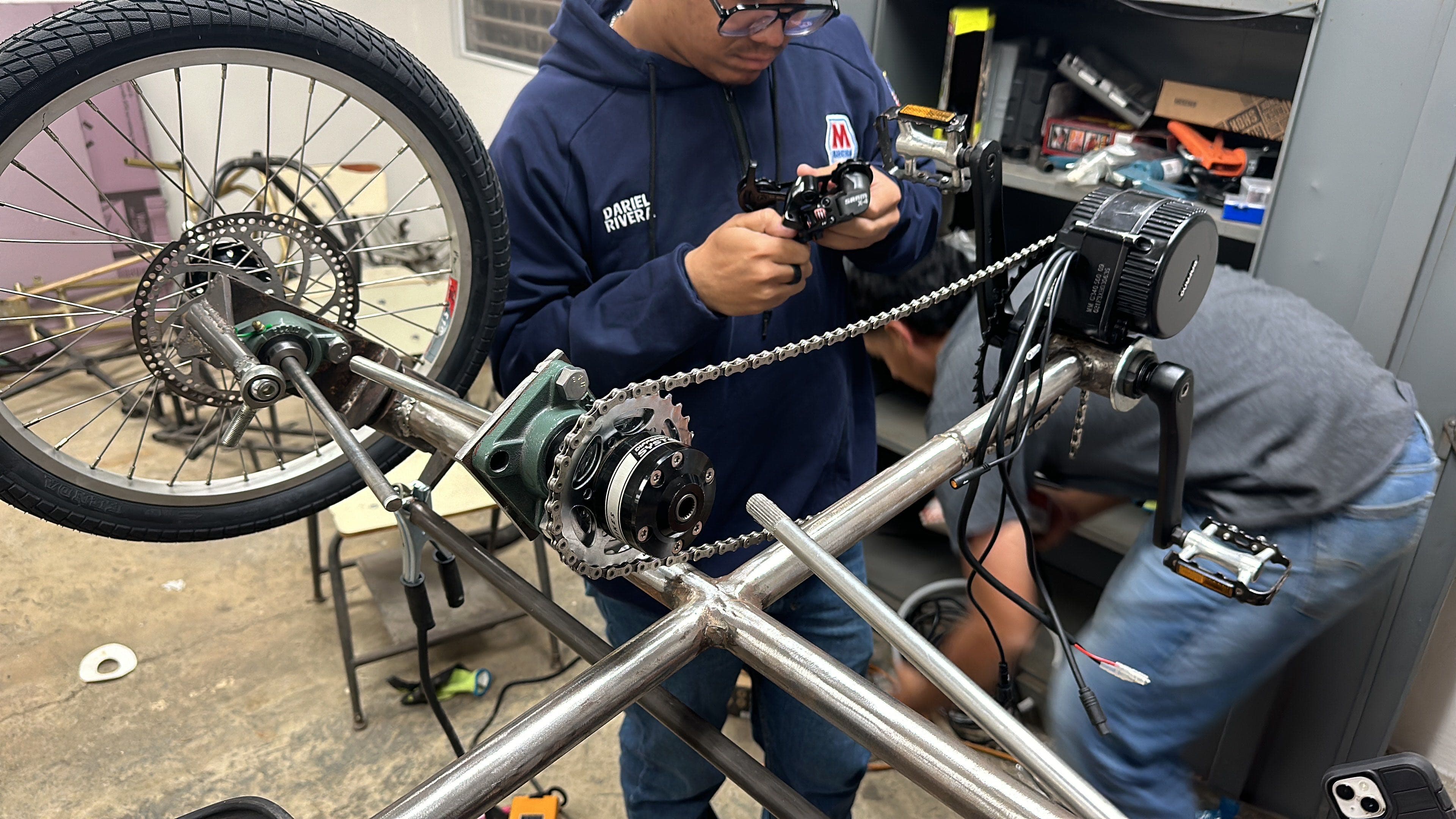
The front region combined steering, braking, drivetrain, wheel, and structural components inside a highly constrained assembly.
STAGE 04
The team conducted steering, braking, power-transmission, weight, and road tests before transporting the vehicle to competition.
Hands-On Engineering
Formed structural tubing while accounting for geometry, springback, alignment, and fit with surrounding frame components.
Developed practical welding skills while joining frame members, mounting brackets, and temporary drivetrain components.
Prepared tube lengths, holes, attachment points, and interfaces required for assembly and subsystem installation.
Cleaned welds, polished surfaces, prepared the frame for coating, and improved fit between fabricated components.
Primary Manufacturing Challenge
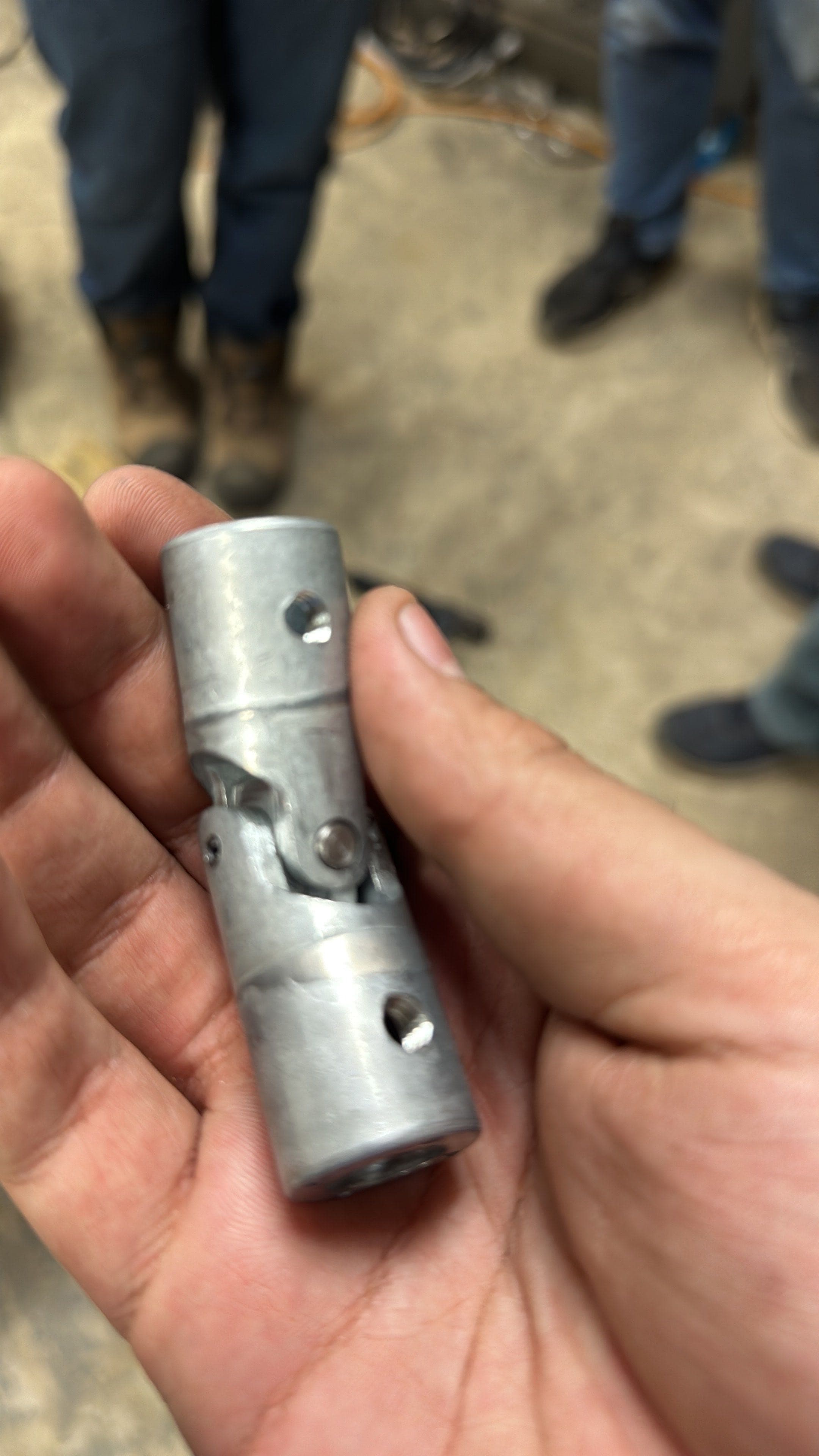
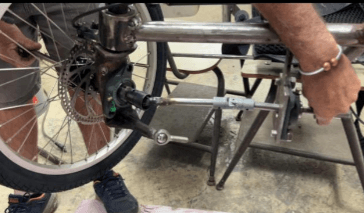
The front-wheel-drive design required four custom universal joints to transmit torque while allowing the wheels to steer. Only two of the required four joints were delivered before the competition deadline.
RESPONSE 01
The driven front axle required four custom universal joints, but only two were delivered before the vehicle needed to be completed.
RESPONSE 02
The team investigated commercially available ratchet attachments that could provide limited angular articulation and transmit torque.
RESPONSE 03
The substitute components were modified, aligned, and welded into the front-axle assembly as a constrained temporary solution.
RESPONSE 04
Initial testing confirmed acceptable steering motion and power transmission, allowing the trike to become operational before competition.
The substitute joint was not treated as an ideal permanent design. It was a time-constrained response intended to recover basic vehicle functionality after a critical procurement failure.
Manufacturing Gallery
Testing and Competition
The videos document manufacturing progress, subsystem testing, the completed vehicle, and the eventual endurance-event failure.
Surface preparation and coating of the fabricated steel frame.
Early physical evaluation of the frame before final vehicle integration.
Testing the vehicle’s braking response before the competition events.
Operation of the completed Guacamaya vehicle during competition testing.
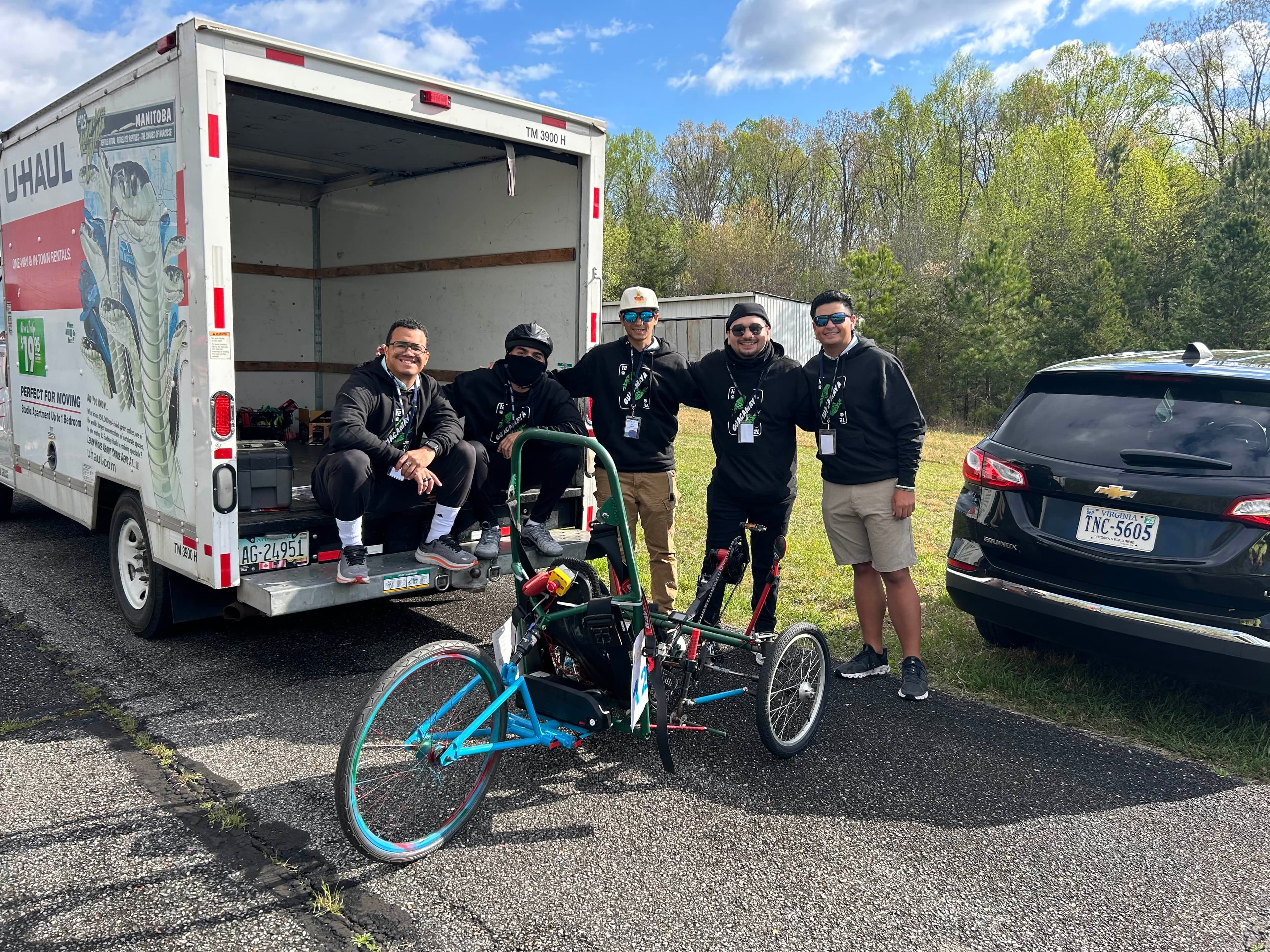
Final assembled vehicle after fabrication and subsystem integration.
Competition footage documenting the drivetrain failure during the endurance event.
Team Recognition
After our drivetrain failure, the team remained engaged and assisted other competitors throughout the event.
Competition Outcome
The adapted joints enabled the trike to steer and transmit power during initial testing, allowing the team to transport a functional vehicle to Virginia.
During competition, the temporary drivetrain solution failed and the front axle lost its powered functionality. Although the performance result was disappointing, the experience exposed the importance of procurement planning, fatigue testing, alignment, and validating emergency design changes under realistic loads.
Reflection
Critical custom components should have backup suppliers, earlier deadlines, or alternative designs prepared before manufacturing reaches its final stages.
The replacement joints operated during initial testing but were not fully validated under extended cyclic loading and competition-level forces.
Small alignment errors in the steering and drivetrain interfaces can increase resistance, reduce articulation, and create concentrated loads.
A component that works in CAD may require additional clearance, fixturing, accessibility, and adjustment once it is physically assembled.
Despite the drivetrain failure, the project developed practical fabrication, troubleshooting, teamwork, and engineering-integration experience.
After our vehicle could no longer compete effectively, the team supported other universities and received the Sportsmanship Award.
Technical Documentation
View the complete team report for the vehicle design, engineering analyses, subsystem selection, testing procedures, and competition requirements.